Shopping cart
Your cart empty!

Your cart empty!

Join 10k+ people to get notified about new posts, news and tips.
Do not worry we don't spam!
Terms of use dolor sit amet consectetur, adipisicing elit. Recusandae provident ullam aperiam quo ad non corrupti sit vel quam repellat ipsa quod sed, repellendus adipisci, ducimus ea modi odio assumenda.
Lorem ipsum dolor sit amet consectetur adipisicing elit. Sequi, cum esse possimus officiis amet ea voluptatibus libero! Dolorum assumenda esse, deserunt ipsum ad iusto! Praesentium error nobis tenetur at, quis nostrum facere excepturi architecto totam.
Lorem ipsum dolor sit amet consectetur adipisicing elit. Inventore, soluta alias eaque modi ipsum sint iusto fugiat vero velit rerum.
Sequi, cum esse possimus officiis amet ea voluptatibus libero! Dolorum assumenda esse, deserunt ipsum ad iusto! Praesentium error nobis tenetur at, quis nostrum facere excepturi architecto totam.
Lorem ipsum dolor sit amet consectetur adipisicing elit. Inventore, soluta alias eaque modi ipsum sint iusto fugiat vero velit rerum.
Dolor sit amet consectetur adipisicing elit. Sequi, cum esse possimus officiis amet ea voluptatibus libero! Dolorum assumenda esse, deserunt ipsum ad iusto! Praesentium error nobis tenetur at, quis nostrum facere excepturi architecto totam.
Lorem ipsum dolor sit amet consectetur adipisicing elit. Inventore, soluta alias eaque modi ipsum sint iusto fugiat vero velit rerum.
Sit amet consectetur adipisicing elit. Sequi, cum esse possimus officiis amet ea voluptatibus libero! Dolorum assumenda esse, deserunt ipsum ad iusto! Praesentium error nobis tenetur at, quis nostrum facere excepturi architecto totam.
Lorem ipsum dolor sit amet consectetur adipisicing elit. Inventore, soluta alias eaque modi ipsum sint iusto fugiat vero velit rerum.
Do you agree to our terms? Sign up
According to statistics released by the Ministry of Energy in 2025 on the effects of using unclean cooking energy, it is estimated that approximately 33,000 Tanzanians die each year from respiratory diseases, largely caused by inhaling smoke from the use of polluting cooking fuels such as firewood and charcoal.
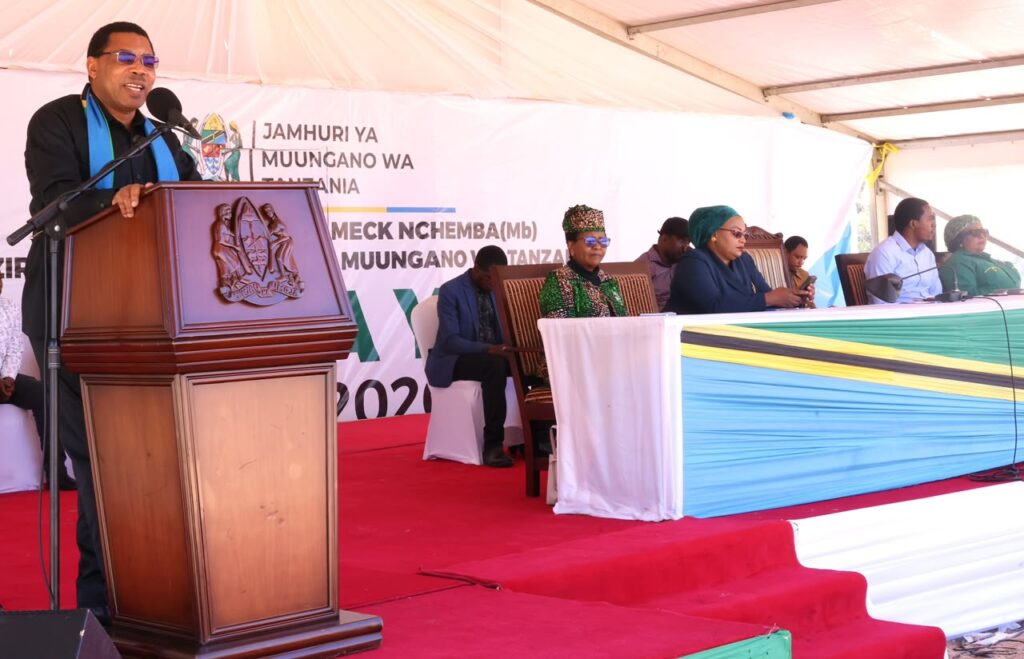
The government is currently working to ensure that Tanzanians no longer suffer from these harmful effects and to save lives by ensuring that every citizen uses clean cooking energy, whether liquefied petroleum gas (LPG), electricity, or improved cookstoves. This effort is being implemented through the National Clean Cooking Energy Strategy, which is expected to run until 2034.
Through the Rural Energy Agency (REA), the government is collaborating with various stakeholders, particularly in rural areas, to ensure that residents also adopt clean cooking energy. This includes distributing gas stoves and electric cookers. Officials say the project will help protect the environment, reduce poverty, and educate citizens about the benefits of clean cooking energy.
REA Project Engineer Ms. Annet Ndyanabo says the project is part of implementing Tanzania’s National Clean Cooking Energy Strategy.
“The implementation of this project is in line with the objectives of the National Clean Cooking Energy Strategy (2024–2034), which aims to increase the use of clean cooking energy to 80 percent of Tanzanians by 2034,” said Eng. Ndyanabo.
She added that the project’s goal is to expand access to clean cooking energy by enabling more citizens to afford clean energy products while protecting the environment.
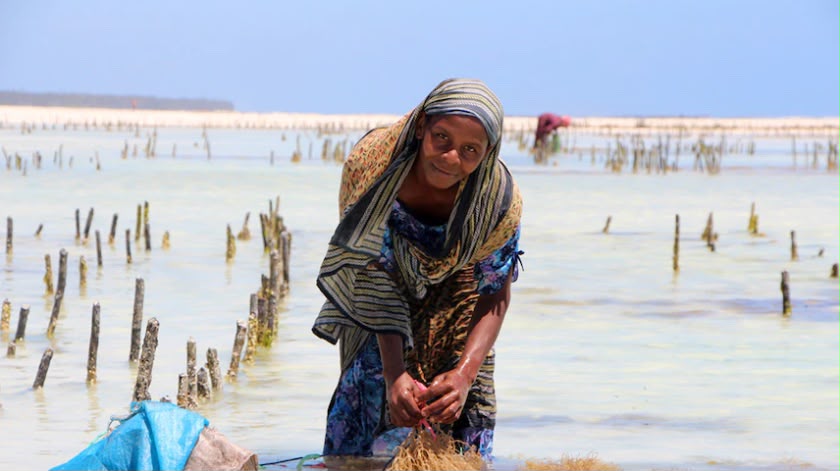
“This project will help reduce poverty by giving women more time to participate in income-generating activities once they switch to gas cylinders as an alternative to firewood and charcoal,” she added.
REA has also continued to promote the use of clean cooking energy in public institutions and government facilities that prepare meals for more than 100 people.
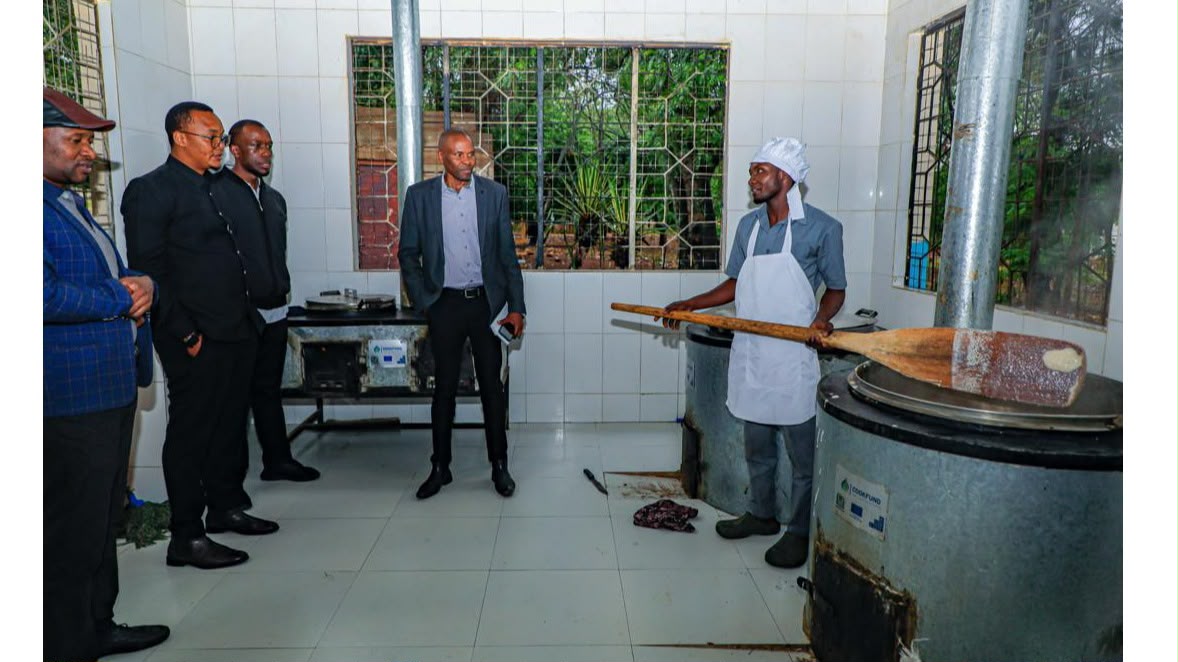
For example, through REA, the government supplied three large institutional cookstoves to Urambo Agricultural Prison in Tabora Region. Kasulu Prison in Kigoma Region received a machine for producing alternative charcoal, while other prisons in Kagera and Dar es Salaam have also benefited from the ongoing programme.
REA Director of Clean Cooking Energy Mr. Nolasco Mlay said the initiative is specifically designed to strengthen government institutions in adopting clean cooking energy and to set an example for the private sector.
“Through REA, the government continues to take various measures to increase the use of clean cooking energy in institutions across the country, including equipping them with modern infrastructure that uses environmentally friendly technologies such as improved cookstoves and gas systems,” said Mr. Mlay.
Officer in Charge of Urambo Agricultural Prison, Mr. Joseph Mzumara, said the prison previously spent considerable time searching for firewood in distant areas, contributing to environmental degradation and wasting valuable time. He noted that clean cooking energy has become a significant benefit.
“Previously, we faced major challenges in obtaining firewood from distant locations. Now we use alternative charcoal. This has reduced the time spent searching for unsafe fuels, allowing our workforce to focus on other productive economic activities,” said Mr. Mzumara.
Meanwhile, Officer in Charge of Kasulu Prison, Mr. Vitalis Mkali, said the initiative will help protect the health of staff working in prison kitchens.
“This step will improve the efficiency of clean cooking energy use within the prison while protecting the environment and improving the health of those who use this energy here at the prison,” said Mr. Mkali.
According to the Ministry of Energy, more than 1,000 institutions out of over 30,000 institutions in Tanzania that serve meals to more than 100 people have so far transitioned to clean cooking energy. These institutions include schools, colleges, hospitals, and prisons.
By: Mackriner Siyovelwa